
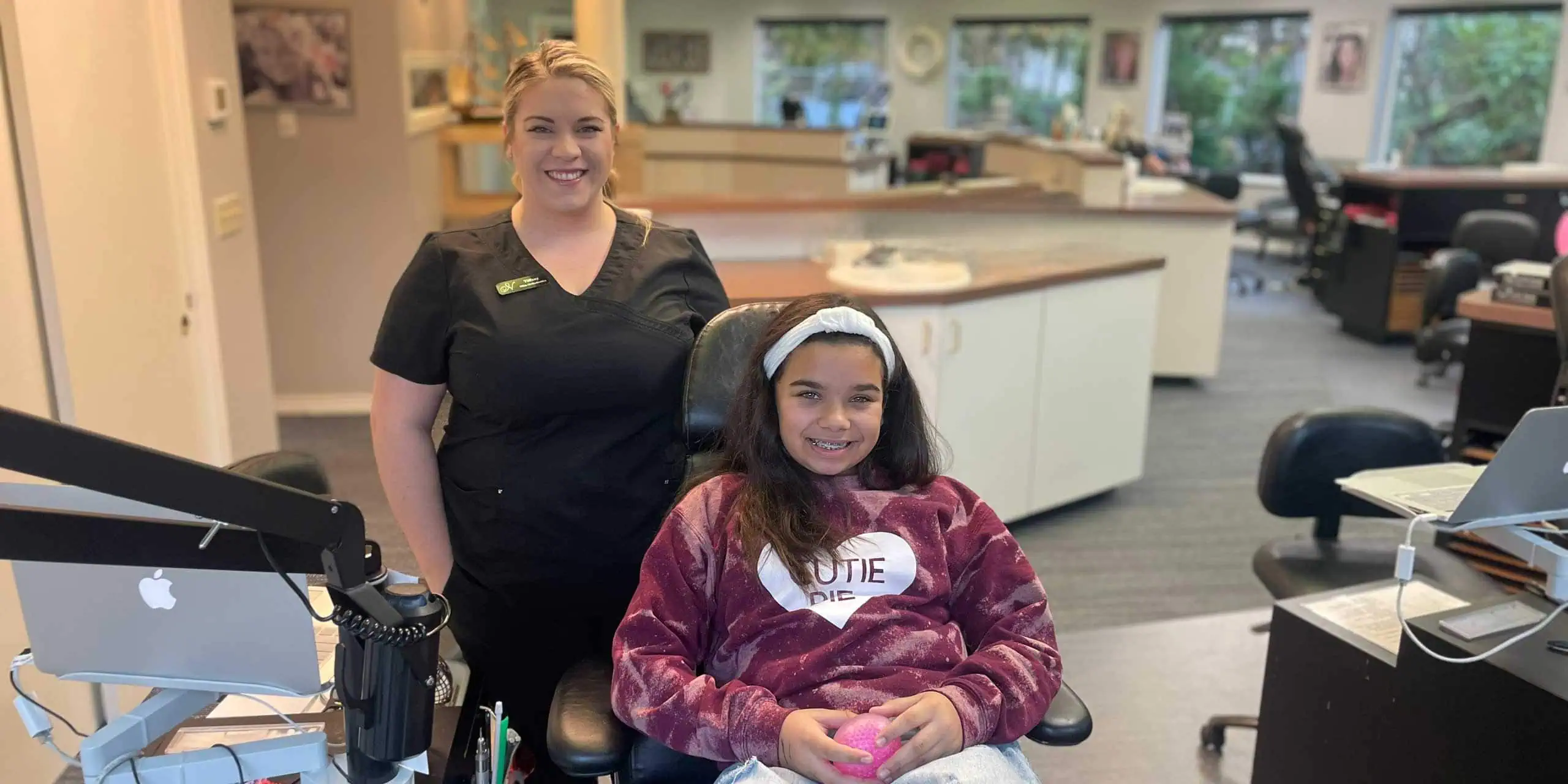
Getting braces is a big moment for your teen, and you probably have questions about what to expect. From picking the right type of braces to helping your teen care for their smile during treatment, this guide covers what you need to know. Families across Eugene, OR have plenty of options when it comes to teen orthodontics, and understanding the process makes the whole experience smoother for everyone involved.
What Are Braces for Teens?
Braces for teens are orthodontic appliances that straighten teeth and correct bite issues during adolescence, typically ages 11 to 15. This window works well because permanent teeth have erupted while the jaw is still growing, making tooth movement more predictable. Treatment usually takes 12 to 24 months and ends with a retainer phase.
The teen years are ideal for treatment because that combination of permanent teeth and active growth makes results more reliable. Orthodontists in Eugene and beyond often recommend evaluation during this stage to catch developing concerns early.
Common issues that braces address include:
- Crowding where teeth overlap or twist
- Gaps between teeth
- Overbite where upper teeth protrude over lower teeth
- Underbite where lower teeth sit in front of upper teeth
- Crossbite where some upper teeth close inside the lower teeth
Today’s teens have options. Traditional metal brackets are still popular for their durability and effectiveness. Ceramic braces offer a less noticeable look. Clear aligners give a removable, nearly invisible alternative for qualifying cases.
How Teen Braces Work: The Treatment Process
Teen braces work by applying gentle, consistent pressure to gradually shift teeth into proper alignment. Treatment follows clear steps from first visit to retainer.
- Free Consult. Your teen’s orthodontic experience starts with a thorough exam. The orthodontist will take X-rays, digital scans, and photos to assess tooth position, jaw alignment, and growth patterns.
- Custom Treatment Plan. Based on the evaluation, you’ll receive a custom plan specific to your teen that outlines the recommended approach, timeline, and cost. This is your chance to ask questions and understand exactly what treatment involves.
- Placement Day. Whether your teen gets brackets bonded to their teeth or receives their first set of clear aligners, this appointment typically takes one to two hours.
- Regular Adjustments. Every 4 to 8 weeks, your teen will visit for adjustments. These appointments are quick, usually under 30 minutes, and keep treatment progressing on schedule.
- Retainers. After braces come off, retainers maintain those beautiful results. Skipping retainer wear is the most common reason teeth shift back.
Most teen treatments take 12 to 24 months, depending on case complexity. Some straightforward cases wrap up faster, while more involved corrections may take longer. Board Certified orthodontists in Eugene typically walk families through each phase so there are no surprises.
Benefits of Getting Braces During the Teen Years
Straightening your teen’s teeth during adolescence offers advantages that go beyond appearance. Here’s why the teen years are such a smart time for orthodontic treatment.
Will Braces Help My Teen’s Confidence?
A straight smile can change how your teen feels about themselves during formative social years. School photos, dances, and everyday interactions feel different when your teen loves their smile. That boost often shows up in classroom participation and social settings too.
How Does Orthodontic Treatment Improve Oral Health?
Crooked or crowded teeth create hiding spots for plaque and bacteria. Straighter teeth are easier to brush and floss, which lowers the risk of cavities and gum disease over time.
Bite correction matters too. Correcting bite issues prevents uneven tooth wear, jaw soreness, and chewing trouble. Your teen’s teeth should work together smoothly.
Why Are the Teen Years Ideal for Treatment?
Teen jaws are still developing, which often means teeth move more readily. Teeth often shift more quickly during this growth window compared to adulthood, and orthodontists often find treatment timelines run smoother as a result.
Addressing alignment issues now prevents bigger concerns later. Untreated bite issues can lead to worn enamel, TMJ trouble, and the need for more extensive dental work down the road.
Can Braces Help With Speech?
Certain tooth and jaw positions affect speech clarity. Orthodontic treatment can help with pronunciation issues caused by misalignment, especially when front teeth or bite relationships are involved.
Types of Braces for Teens Compared
Choosing the right braces depends on your teen’s specific needs, lifestyle, and preferences. Here’s how the options stack up:
| Type | Visibility | Best For | Considerations |
|---|---|---|---|
| Traditional Metal | Most visible | Complex cases, active teens, budget-conscious families | Most affordable, extremely durable, can customize with colored bands |
| Ceramic Braces | Less noticeable | Teens wanting a subtler look | Tooth-colored brackets blend in, slightly higher cost |
| Lingual Braces | Hidden (behind teeth) | Teens prioritizing aesthetics | Fully discreet, harder to clean, adjustment period for speech |
| Clear Aligners | Nearly invisible | Mild to moderate cases, responsible teens | Removable for eating and brushing, requires 20-22 hours daily wear |
| Self-Ligating Braces | Similar to traditional | Teens wanting fewer appointments | Smaller brackets, may reduce treatment time for some cases |
A qualified orthodontist will help figure out which option makes the most sense for your teen’s smile goals and orthodontic needs. During a free consult, you can see and feel the different options before deciding.
What Affects the Cost of Teen Braces in Eugene?
Teen braces typically range depending on type, length of treatment, and case complexity. Knowing what influences pricing helps you plan and budget realistically.
Type of Braces
Metal braces typically cost less than ceramic or lingual options. Clear aligners fall somewhere in the middle, depending on case complexity.
Treatment Length and Complexity
More severe crowding, bigger bite issues, or the need for two-phase treatment increases overall cost. Simpler cases require less time and fewer materials.
Insurance Coverage
Many dental plans include orthodontic benefits for dependents under 19. Check your plan’s lifetime orthodontic maximum and coverage percentage. It pays to call early.
Flexible Spending Options
HSA and FSA accounts let you pay with pre-tax dollars, effectively reducing your out-of-pocket cost. Many families in Eugene combine these accounts with monthly payment structures.
Financing Structures
Many orthodontic practices offer monthly payment structures to make treatment more accessible. Ask about in-house options and third-party financing during your initial evaluation.
The best way to know what your teen’s treatment will cost? Get an evaluation from a Board Certified orthodontist. You’ll leave with a clear understanding of the investment involved.
Is Your Teen a Good Candidate for Braces in Eugene?
Most teens with permanent teeth are candidates for orthodontic treatment, but a few factors help determine the best timing and approach.
Signs Your Teen May Need Braces
- Crowded, overlapping, or twisted teeth
- Noticeable gaps between teeth
- Teeth that don’t meet properly when biting down
- Trouble chewing or biting into food
- Jaw soreness or clicking sounds
- Mouth breathing or speech issues
Watch for these signs at home. Many parents notice them during everyday moments like meals or photos.
Readiness Indicators
- Most permanent teeth have erupted (typically ages 11-13)
- Healthy teeth and gums without untreated decay
- Willingness to maintain good oral hygiene
- For clear aligners: maturity to wear them 20-22 hours daily
When to Get an Evaluation
The American Association of Orthodontists recommends children have their first orthodontic evaluation by age 7. This doesn’t mean treatment starts that early for most kids. It simply allows your orthodontist to monitor development and recommend the ideal treatment window.
Only a thorough orthodontic evaluation can confirm whether your teen is ready for braces. Families in Eugene have access to Board Certified orthodontists who provide full assessments and answer parent questions.
Frequently Asked Questions About Teen Braces
How long do teens typically wear braces?
Most teens wear braces for 12 to 24 months. The exact timeline depends on the complexity of the case, how well your teen follows care instructions, and how their teeth respond to treatment. Simpler corrections may finish sooner, while more involved cases take longer.
Are braces uncomfortable?
Braces cause mild soreness for a few days after placement and following adjustments. This is manageable with over-the-counter relief and soft foods. Most teens adjust quickly and find that any tenderness fades within a week.
How much do braces cost for teens?
Costs vary based on the type of braces, length of treatment, and where you live. Teen braces in Eugene generally fall within a typical range and many families use insurance, HSA/FSA accounts, and monthly payment structures to manage the cost. A free consult is the best way to get a specific quote.
Can my teen play sports with braces?
Absolutely. Your teen can stay active in all their favorite sports. Wearing a mouthguard designed for braces is a smart move to protect both the appliances and soft tissues. Ask about orthodontic mouthguards at your next appointment.
What foods should my teen avoid?
Hard foods like ice, popcorn kernels, and hard candy can break brackets. Sticky foods like caramel and taffy can pull wires loose. Chewy foods like bagels and tough meats require extra caution. Your orthodontist will provide a complete list at your teen’s placement appointment.
Will my teen need a retainer after braces?
Yes. Retainers are essential for maintaining results. Teeth naturally want to shift back toward their original positions, especially in the months right after braces come off. Following retainer instructions protects your investment in your teen’s smile.
At what age should my teen first see an orthodontist?
The AAO recommends an initial evaluation by age 7, though most teens begin treatment between ages 11 and 15. Early evaluation lets your orthodontist watch growth and recommend the best timing for treatment. Many Eugene families schedule that first look during routine dental checkups.